
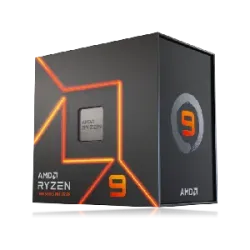
The processors category covers desktop CPUs from Intel and AMD as well as server and workstation processors. With over 1300 products, it suits anyone building a new PC, upgrading an older platform or replacing a CPU in a server. Most of the range comes from AMD, Intel and Lenovo, with Supermicro and Fujitsu also stocked.
How to choose a processor
Socket and motherboard. The processor must match the socket and chipset of your motherboard, so check the board model first. Even when the socket is the same, an older board may need a newer BIOS version before it will recognise the CPU.
Cores and clock speed. For gaming and everyday work, strong single-core performance often matters most. Video editing, 3D rendering and virtual machines gain more from additional cores and threads. If you mostly browse the web and use office software, there is no need to pay extra for 16 cores.
Integrated graphics. Some desktop processors include graphics, so you can connect a monitor without a separate graphics card. Intel models with an F in the name have none, while on the AMD side models with a G suffix usually include it.
Cooling and thermal power. TDP indicates how much heat a processor produces and how much cooling it needs. Some processors are sold with a cooler and others without, so check whether one is included before you buy.
Desktop or server. Server processors such as Intel Xeon and AMD EPYC use different sockets, support ECC memory and often offer more cores. They will not fit a standard desktop motherboard.
Brands we carry
- AMD: Ryzen processors are known for high core counts on the desktop, while EPYC is designed for servers.
- Intel: the Core series covers desktop PCs, and Xeon processors are used in servers and workstations.
- Lenovo: known for ThinkSystem servers and ThinkStation workstations, so check that the processor matches your exact system model before ordering.
- Supermicro: makes server motherboards and server systems that need processors with the matching socket.
- Fujitsu: known for Primergy servers, and the range includes Fujitsu Technology Solutions processors too.
- Dell and HPE: Dell builds PowerEdge and HPE builds ProLiant servers, so processors from these brands are generally meant for maintaining and upgrading their own servers.
Also in our range: Arctic, Intertec and Titan.
The category is split into Server and workstation processors, Intel processors and AMD processors, which makes it easier to browse by platform.
Frequently asked questions
What is the difference between Intel and AMD processors?
Both manufacturers offer models from budget to professional, but they use different sockets and chipsets, so choose the processor to suit your motherboard first. AMD Ryzen often offers more cores, while Intel Core is popular for strong single-core performance. It is better to judge a specific model by the programs and games you use than by the brand.
How do I know if a processor will fit my motherboard?
Check the motherboard manufacturer's list of supported processors. It shows both the socket and the BIOS version required. If the board's BIOS is too old, you may need to update it before a newer processor will start.
Do I need a graphics card if the processor has integrated graphics?
Not always. Integrated graphics is enough for office work, web browsing and video playback. For gaming, 3D design and video editing, a separate graphics card is the better option.
Can I use a server processor in a desktop PC?
Usually not. Server processors such as Xeon or EPYC use different sockets and need a server or workstation motherboard, often with ECC memory. If you need many cores in a desktop PC, a high-end desktop processor is the better route.